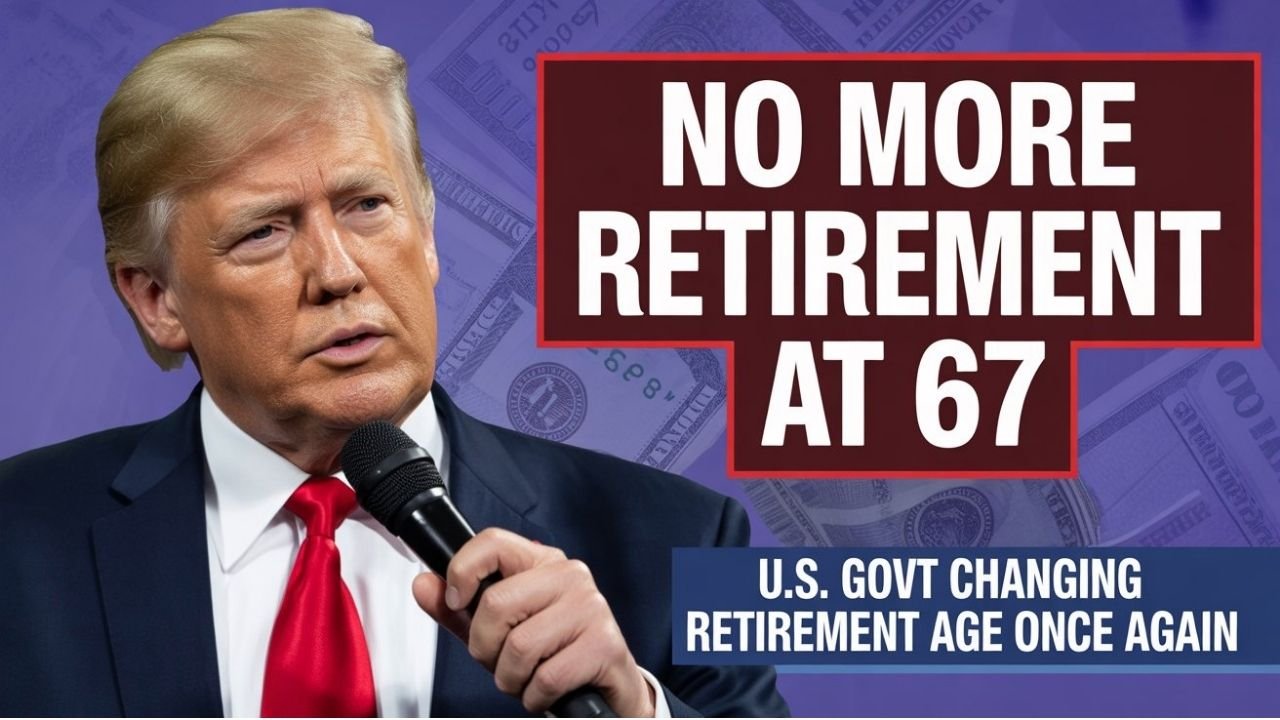
For decades, 67 has been seen as the magic number — the age when people finally step away from full-time work and begin retirement. But in today’s world, that long-held idea is rapidly changing. Rising life expectancy, economic pressures, shifting career patterns, and evolving personal priorities are all contributing to a new reality: retirement at 67 is no longer the default plan for many people.
Why Retirement at 67 Is Losing Its Meaning
The concept of retiring at a fixed age was built in an era when life expectancy was shorter and career paths were more linear. Today, people are living longer, healthier lives. Many individuals in their late 60s feel mentally sharp, physically capable, and motivated to stay active. For them, completely stopping work at 67 feels unnecessary — and sometimes undesirable.
At the same time, financial realities have changed. Rising living costs, healthcare expenses, and inflation have made it harder for many households to rely solely on pensions or savings. As a result, more people are choosing to work longer to maintain financial stability and independence.
The Rise of Flexible and Phased Retirement
Instead of a sudden exit from the workforce, many people now opt for phased retirement. This might mean reducing hours, switching to consulting roles, or taking on part-time or remote work. These flexible arrangements allow individuals to enjoy more free time while still earning income and staying engaged.
Technology has played a major role in this shift. Remote work, online businesses, and digital platforms make it easier than ever for older workers to contribute their skills without the physical demands of traditional jobs.

Work as Purpose, Not Just Income
Another reason retirement at 67 is fading is the changing meaning of work itself. For many, work provides structure, social connection, and a sense of purpose. Leaving it behind completely can feel isolating rather than freeing.
Modern retirees often redefine success by balance rather than rest alone. They pursue passion projects, mentor younger professionals, volunteer, or start small businesses. This approach allows them to remain productive while enjoying the flexibility they once associated with retirement.
Health and Longevity Are Redefining Aging
Medical advances and healthier lifestyles mean that many people reach their late 60s in far better condition than previous generations. Staying active — mentally and physically — is increasingly viewed as a way to maintain health rather than compromise it.
Studies consistently suggest that continued engagement, whether through work or meaningful activity, can support cognitive health and emotional well-being. For many, working beyond 67 is not about necessity but about staying vibrant and connected.
Economic Pressures and Reality Checks
Despite the positive aspects, the shift away from retirement at 67 isn’t always a choice. Some individuals must continue working due to insufficient savings or reduced pension benefits. This highlights the growing importance of financial planning, skill development, and adaptability throughout one’s career.

Governments and employers are also adjusting, recognizing that older workers are a valuable resource. Policies encouraging later retirement or flexible work arrangements reflect this new economic and demographic reality.
What Retirement Looks Like Now
Retirement today is less about stopping and more about transitioning. It might involve:
-
Working fewer hours
-
Changing careers later in life
-
Combining work with travel or hobbies
-
Focusing on health, family, and personal growth

Rather than a single milestone, retirement has become a personal journey, shaped by individual goals, health, and circumstances.
Conclusion
Saying goodbye to retirement at 67 doesn’t mean giving up rest or enjoyment — it means redefining what the later years of life can look like. For many, the future is about flexibility, purpose, and choice, not a fixed age on a calendar. Whether by necessity or desire, the traditional idea of retirement is evolving, and in its place is a more dynamic, personalized vision of life beyond 67.
Goodbye to Retirement at 67 – FAQ
Q1. What does “Goodbye to Retirement at 67” mean?
It means the traditional idea of fully retiring at age 67 is changing, with many people choosing or needing to work longer.
Q2. Why are people retiring later than 67?
Longer life expectancy, higher living costs, healthcare expenses, and a desire to stay active are major reasons.

Q3. Is working beyond 67 becoming common?
Yes, many people now continue working through part-time, consulting, or flexible roles.
Q4. Does working longer affect health?
For many, staying mentally and socially active can support overall well-being, especially when work is balanced.
Q5. Is later retirement always a choice?
Not always. Some continue working due to financial necessity, while others do it for purpose and enjoyment.
Q6. What is phased retirement?
It’s a gradual transition where people reduce work hours instead of stopping completely.
Q7. What does modern retirement look like today?
Modern retirement focuses on flexibility, purpose, and balance, not a fixed age limit.